Justice Department’s California criminal investigation, subpoenas and Washington demand continued
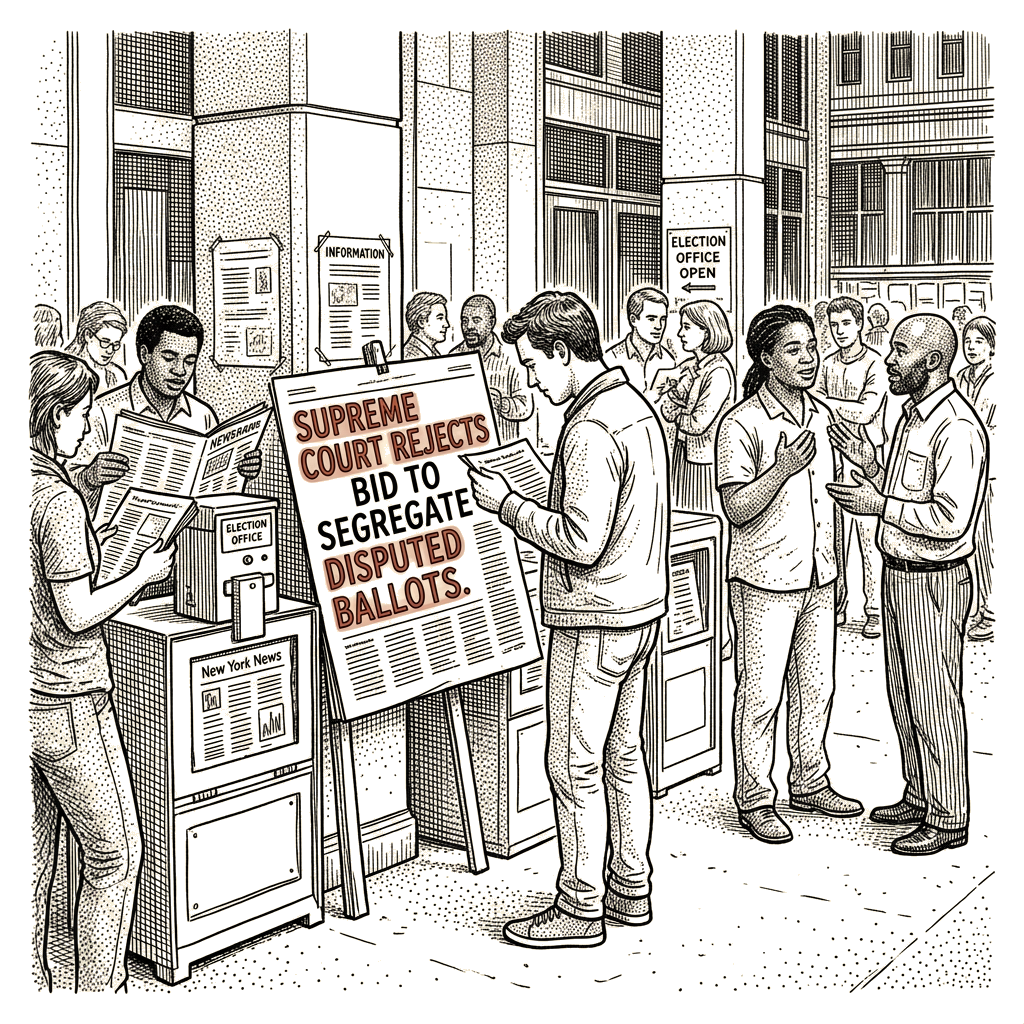
The Supreme Court on Monday rejected the Trump administration’s attempt to force California election officials to segregate and not count ballots from people the Justice Department claims are noncitizens. The ruling followed several lower courts siding with California officials, who argued that the federal government was seeking to interfere with state elections.
Other Justice Department measures continued alongside the California dispute. The department had opened a criminal investigation in California to pursue claims of noncitizen voting and begun subpoenaing election officials. It also made a similar demand to segregate ballots in Washington state.
The Justice Department also filed criminal charges against 28 green card holders in California whom it accused of fraudulently registering to vote and casting illegal ballots.
California and the Trump administration had been in a legal standoff for the past few weeks after the Justice Department’s claim that 20,000 noncitizens were on the state’s voter rolls. In mid-October, the department gave Los Angeles and Sacramento election officials a USB drive containing names, gave them only 48 hours to review the list and demanded that they segregate and not count the ballots. It threatened to sue if the ballots were not sequestered until those listed could verify their citizenship. Election officials refused, leading to a series of courtroom battles.
State officials and voting rights groups immediately questioned how the Justice Department compiled the list and accused the Trump administration of a ploy to cast doubt over the midterm elections. The Justice Department refused to provide details on its methodology. An analysis from election officials found numerous suggestions that the list contained inaccuracies.
“The Department of Justice has not provided the underlying evidence, source, or methodology supporting its assertions that individuals identified in its records are ineligible to vote,” Dean Logan, Los Angeles county clerk and recorder, said in a statement after receiving the list.
At the lower-court stage, U.S. District Judge David Carter rebuffed the administration’s California ballot request on October 28. Carter, whom Bill Clinton nominated to the bench, wrote that the administration’s move to interfere in California’s vote was unusual and extreme.
“Never before in American history has the federal government, on the eve of an election, sought to coerce a state and local government to abandon their own Constitutional elections procedures and bend to the will of the Executive Branch,” Carter wrote.
The Trump administration had threatened to prosecute election officials if they processed ballots from people it deemed ineligible, a move experts said would have no legal basis.
The Guardian reported that Trump had also made “vague promises” to issue a $1m reward to anyone whose reports of voter fraud lead to an arrest or conviction. Data and experts cited by The Guardian have shown that ineligible noncitizen voting is extremely rare.
The Guardian said the Trump administration’s demands were “part of a larger effort by the federal government to assert a greater role in overseeing elections and push claims of voter fraud committed by non-citizens.”
The Supreme Court’s decision rejects the federal request to segregate and not count ballots under the disputed list. The Justice Department’s criminal investigation, subpoenas and Washington state demand remain in place.