AI-fueled exports lifted forecasts despite subdued spending and household debt
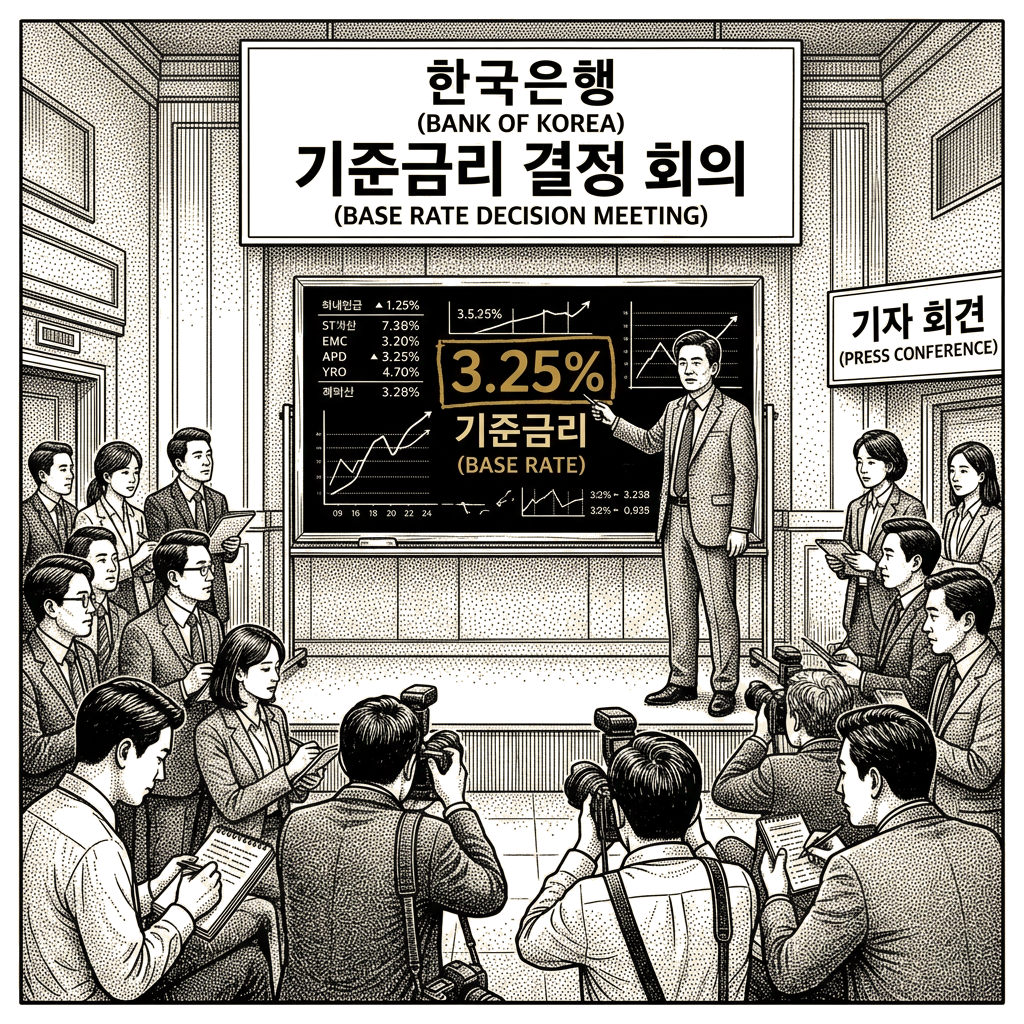
The Bank of Korea raised its benchmark interest rate by a quarter-percentage point to 3.25% on Thursday, the third increase since July. The move was intended to tighten money supply in response to inflationary pressure driven by the war in the Middle East and booming semiconductor exports fueled by global demand related to artificial intelligence.
The bank also lifted its growth forecast to 3.9% from 3.3% for 2026 and to 4.1% from 2.9% for 2027. The forecasts followed months of strong exports, including a semiconductor boom fueled by global artificial-intelligence demand.
Consumer prices rose 2.8% in October from a year earlier, above the bank’s 2% target. Core inflation, which excludes volatile food and energy prices to gauge underlying price pressures, rose 2.7% over the same period. In a statement, the bank said higher borrowing costs were necessary because inflation was expected to remain above target for a “considerable period” and cited “persistent risks on the side of financial stability.”
The bank said the global economy was maintaining modest growth despite the conflict in the Middle East, mainly driven by artificial-intelligence-related investments. It warned that price pressures would continue to grow because energy costs were increasing.
Analysts said consumer spending had remained subdued because of rising prices, stagnant wages and the burden of servicing South Korea’s high household debt. The Bank of Korea also warned that rising house prices in Seoul and the surrounding metropolitan area could further aggravate household debt.
The bank’s data showed debt reached an all-time high of 2,030 trillion won ($1.51 trillion) as of the third quarter. The bank said the amount was nearing the size of South Korea’s annual gross domestic product.
Governor Shin Hyun Song said household borrowing was continuing to rise amid expectations of further home-price increases in the greater capital area. Shin said the trend made it necessary for policymakers to “remain vigilant regarding the risks of financial imbalances.”
Shin described the rate increase as a preemptive move against inflation and said consumer prices were expected to remain above the bank’s target until sometime in 2028. Shin also said it would take time for the country’s export gains to translate into meaningful increases in consumers’ spending capacities.
Shin said the bank’s tight monetary policy should be complemented by fiscal measures to ease the burden on households.
The rate decision was not unanimous. Two of the seven members of the Bank of Korea’s monetary policy committee argued for keeping the rate at 3%.