ECB rate hike expected as energy pressures keep inflation elevated
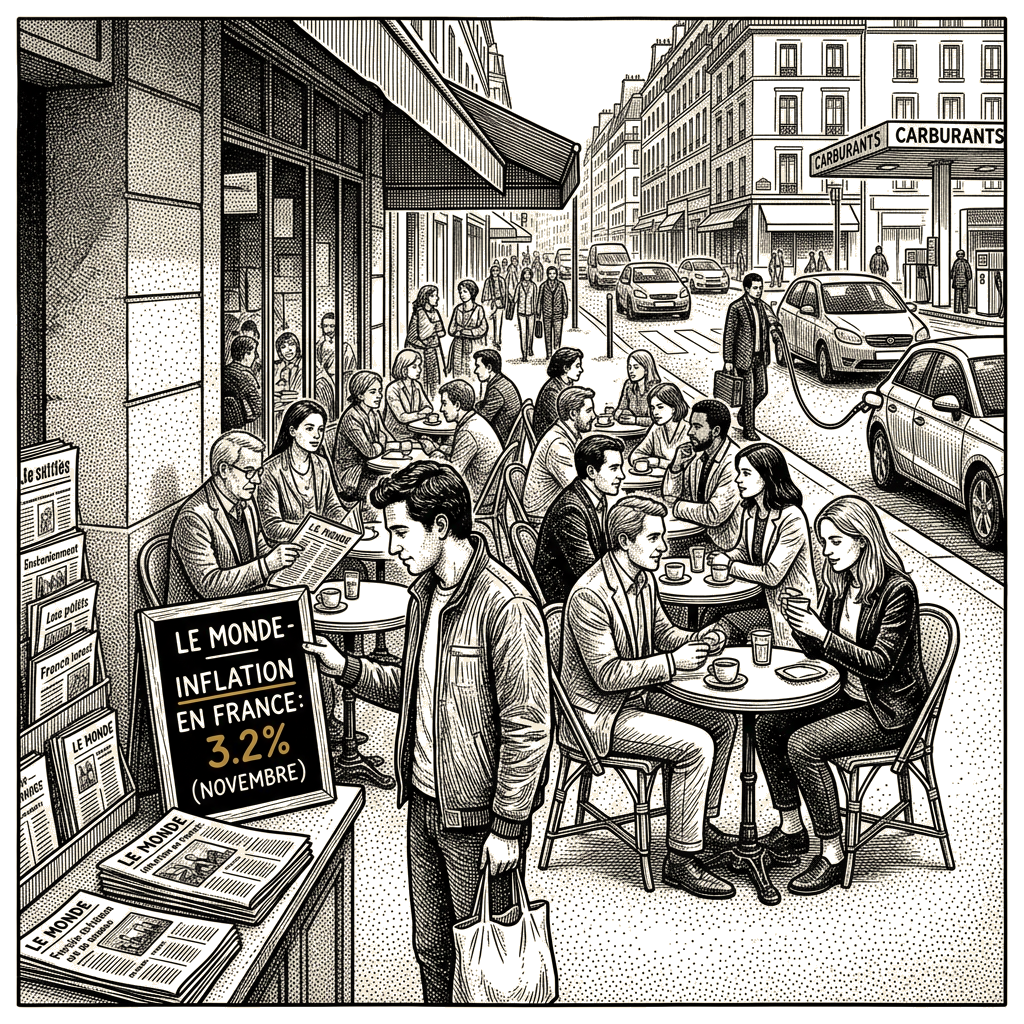
Consumer prices in France, the eurozone’s second-largest economy, were 3.2% higher than in the same month of 2025, France’s statistics office reported Friday. The annual rate was below October’s 3.7% and the 3.6% expected by economists polled by The Wall Street Journal the previous week. Falling fuel prices drove the decline.
The 3.2% November reading followed a climb in the annual rate from 1.1% in February, before the first U.S. airstrikes on Iran, to a nearly three-year high of 3.7% in October.
Oil prices have fallen since the outcome of U.S. midterm elections, which fueled hopes of a lasting resolution to the U.S.-Iran conflict, although prices remain above prewar levels. Prices for gasoline and other fuels have declined as a result. European natural gas prices, however, remain near multiyear highs, which will keep household energy prices elevated throughout the colder winter months.
The European Central Bank has raised its key rate twice this year, judging that the surge in energy prices was too great to ignore. Investors expect another increase before the end of the year, and the central bank is expected to raise its key rate next month for a third time since the start of the U.S.-Iran war.
The European Union said last week that it expects French inflation to peak at 4.3% in the first quarter of 2027 due to further increases in energy prices and how they pass through into food and services.
Yet the incoming data show few signs of those energy costs spilling over into other parts of the economy. Services inflation fell in November because of a sharp decrease in prices for accommodation and transport services.
France’s economy appears to have been hit harder by the war than its neighbors. Gross domestic product contracted 0.2% in the third quarter, dented by falling exports and lower private investment.
French consumer spending was flat on a month-to-month basis in October, data also published Friday showed. Consumer confidence hit its lowest level in more than three years that month. Surveys of purchasing managers showed steady economic growth in Germany, while France saw a deepening downturn in activity.
In neighboring Spain, inflation also declined notably in November, falling to 4.1% from 4.9% in October, data published Friday showed.
Investors have grown more concerned in recent months about France’s public finances, and that concern has sent government bond yields rising. The higher yields have added to nervousness about the economy and could help the European Central Bank tighten monetary conditions before it needs to raise rates.