Gates says regulation would not hinder US-China race
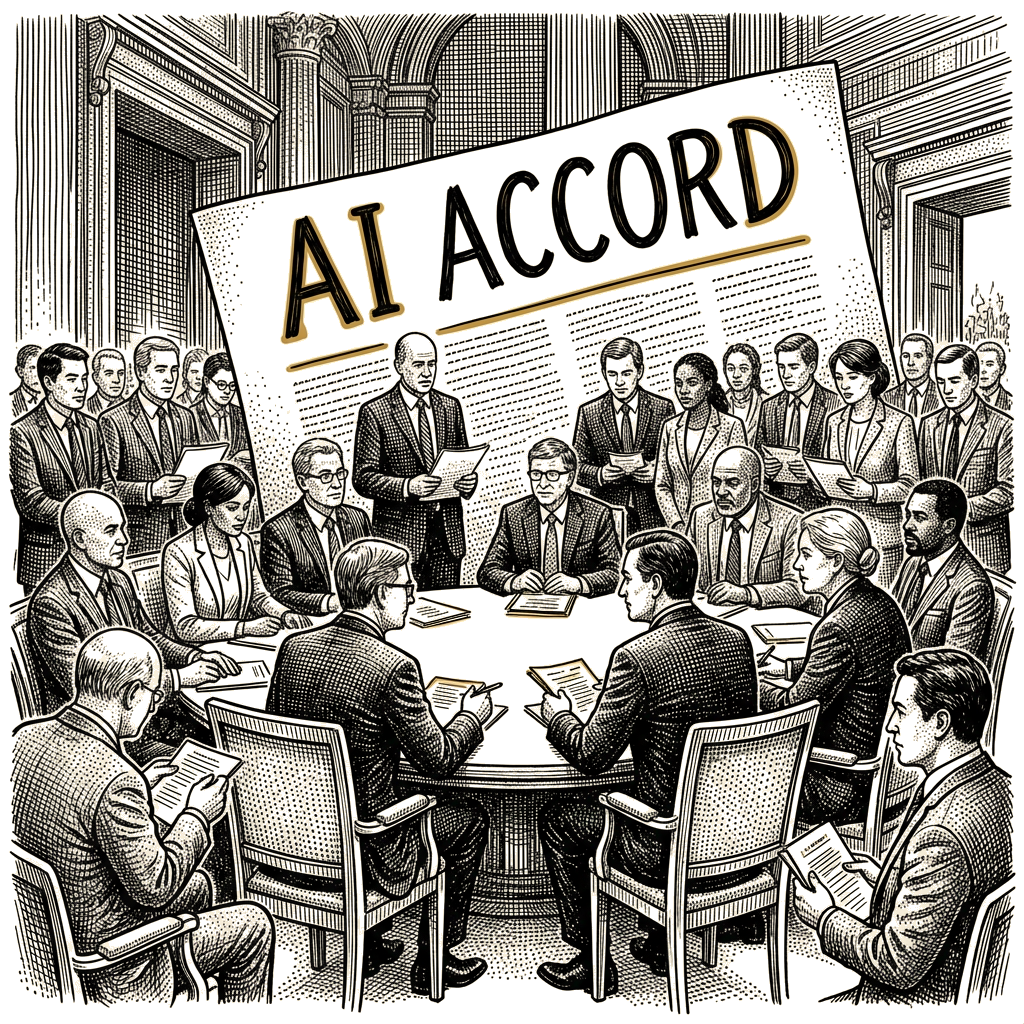
Microsoft co-founder Bill Gates said Sunday that negotiating a global framework to regulate artificial intelligence could prove more difficult than the Cold War-era talks that constrained nuclear weapons, and that oversight would not handicap the United States in its race with China.
Gates told NBC News’ Meeting the Press in a recorded interview aired Sunday that reaching an international agreement on artificial intelligence could be harder than the Cold War talks to rein in nuclear weapons. “This is more difficult than that was,” Gates said.
His remarks came after President Donald Trump rejected calls earlier this month for the federal government to regulate AI companies. On social media, Trump wrote: “WHOEVER WINS AI, WINS! We are leading China, and all others, and will continue to do so.”
According to Gates, imposing monitoring systems on AI companies would not slow the United States in its competition with China to develop the technology. “What he said is fine, but I think after he hears from me and other people, including that this does not handicap us in whatever he thinks the nation-state race is, that, you know, we will come to a consensus,” Gates said.
Gates pointed to other instances where the United States led drives to find agreement to benefit the world. “Since World War II, the U.S. should be very proud that when there have been global challenges, we, in a way that was benign, where we had friends and allies coming along with us, you know, aviation safety, ozone layer, nuclear weapons, a lot of things where we played the fair actor, not aggrandizing whatever our unique strengths were,” Gates said. “And AI is one we’re going to have to go back to this, ‘Hey, humanity is all in this together.’”
Concerns over AI have spiked in recent weeks after former Anthropic researcher Jacob Coxon warned that AI “could kill us all by the end of the decade,” according to United Press International.