Pacific basin unusually active as storms hit Hawaii, Mexico
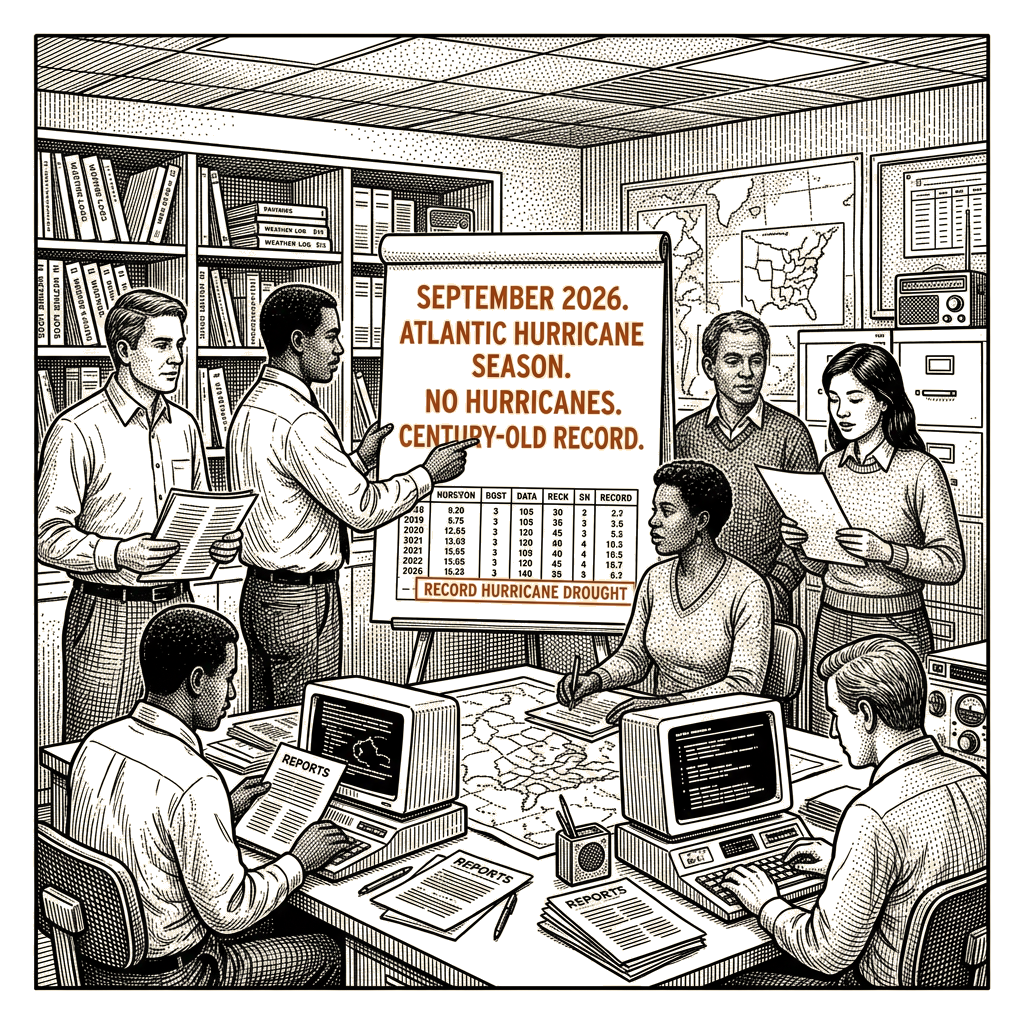
The 2026 Atlantic hurricane season has set a century-old record by reaching late September without producing a single hurricane, according to National Oceanic and Atmospheric Administration data. The North Atlantic basin typically records more than three hurricanes by this point in the calendar year.
Eight named storms have developed in the Atlantic this season. Some had the atmospheric components to become hurricanes in other years, but each was torn apart within days of forming. None became powerful enough to be classified as a hurricane, NOAA data show.
The 2025 Atlantic season, by comparison, produced 13 named storms, five of which reached hurricane strength. None of those storms made landfall in the United States.
The mechanism behind the 2026 Atlantic drought traces to El Niño. In El Niño years, warm air rising off the Pacific Ocean generates high-altitude winds that blow east toward the tropical Atlantic.
Once over the tropical Atlantic, those winds create powerful upper-level air currents that blow faster than winds closer to the Earth’s surface. The difference in wind speed between altitudes is called vertical wind shear.
A hurricane is an engine that pulls in heat and rotates with wind. When the winds are strong and consistent, the storm can build momentum. When wind is very strong high in the atmosphere and weak at the surface, the entire storm begins to tilt.
Vertical wind shear across the Atlantic in August was concentrated in the same region where hurricanes historically develop, European Space Agency measurements through August 30 show.
Even when other conditions are favorable for storm formation, strong vertical wind shear can stop a hurricane from forming at all.
The Pacific basin is experiencing the opposite pattern. Air flowing from the Pacific toward the Atlantic is leaving wind shear over the Pacific unusually low. Combined with extremely warm Pacific waters driven by El Niño, those conditions are allowing Pacific storms to feed rapidly and form in succession, NOAA data show.
In August, Hurricane Lala lashed Hawaii in one of the state’s most damaging storms in more than a century. Earlier this month, Hurricane Lowell grazed the Hawaiian islands, causing widespread power outages.
Hurricane Polo was bringing hurricane-force winds and heavy rainfall to Mexico’s west coast after its recent landfall, according to The Wall Street Journal.
The Atlantic hurricane season runs through late November. El Niño is expected to remain strong throughout the season’s remainder.
NOAA’s basin data tracks through September 19.