Factory costs climb; Bank of England finds limited evidence of pass-through
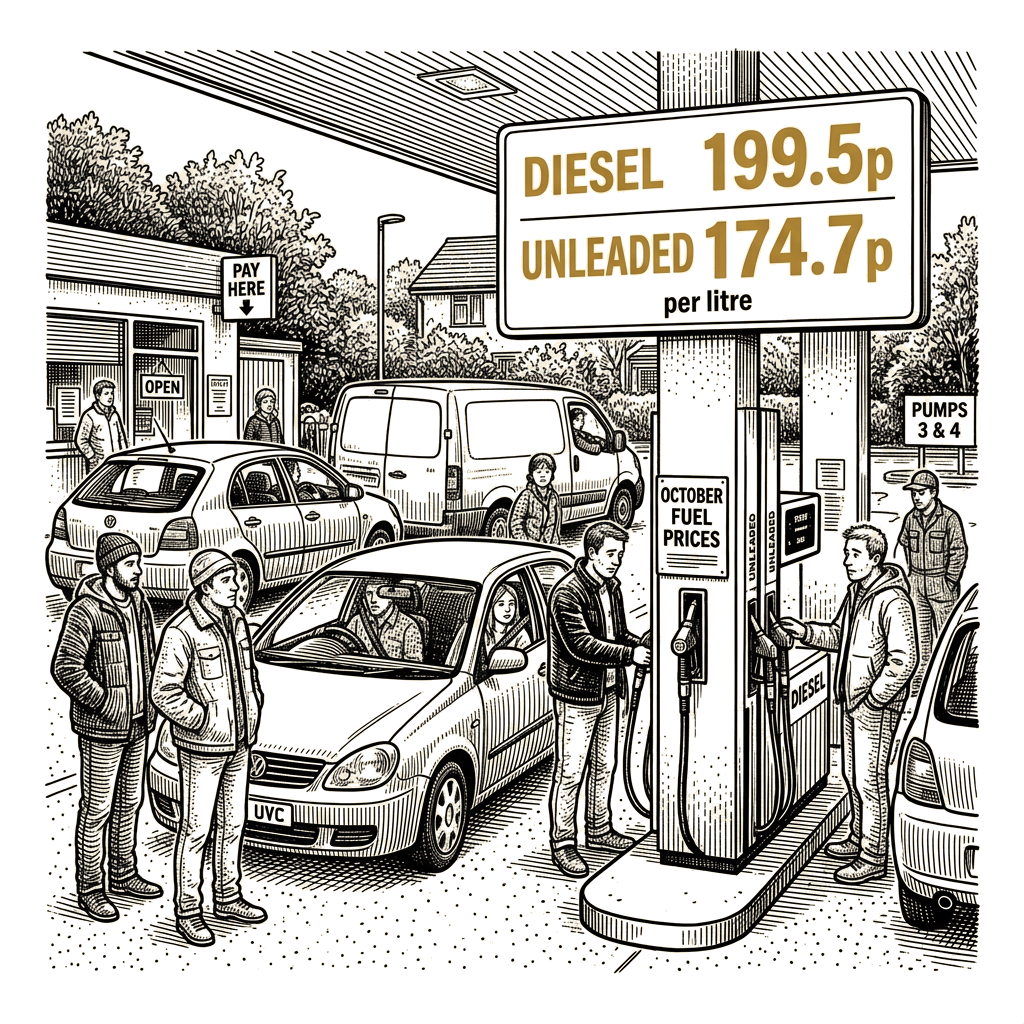
Diesel prices reached an average of 199.5p per litre in October. The ONS said that was the highest price since its records began 30 years ago.
The ONS said petrol prices rose by 5.2p per litre between September and October. The average reached 174.7p per litre last month, the highest since August 2022.
BBC News linked the recent surge in prices to the US-Iran war. The ONS said elevated oil prices were also affecting the wider economy by pushing up the cost of raw materials and goods leaving factories.
ONS chief economist Grant Fitzner said fuel prices were “once again a major contributor” to the increase in the inflation rate in October. Fitzner said on Wednesday: “Annual costs of both raw materials and goods leaving factories continue to climb, driven by higher crude oil and petrol prices, respectively.”
Rising energy prices can lead to more expensive food and staples for consumers when businesses pass on higher costs. The Bank of England said earlier this month that there had been “limited evidence” of that pass-through. Some firms have instead absorbed cost increases and accepted lower profit margins.
UK annual inflation rose to 3.6% in the year to October, according to the Office for National Statistics, up from 3.5% in September. The ONS said higher petrol and diesel prices pushed the rate higher again.
The Bank of England raised its interest rate from 3.75% to 4% earlier this month, the first increase in three years, as it sought to slow price rises. The Bank signalled that a further rate increase could be likely unless the conflict in the Middle East is resolved.
The sector-level picture was mixed. The ONS said price inflation in restaurants and cafes slowed last month, while prices fell on average for hotels.