Administration cited voter confusion and a second Dan Sullivan
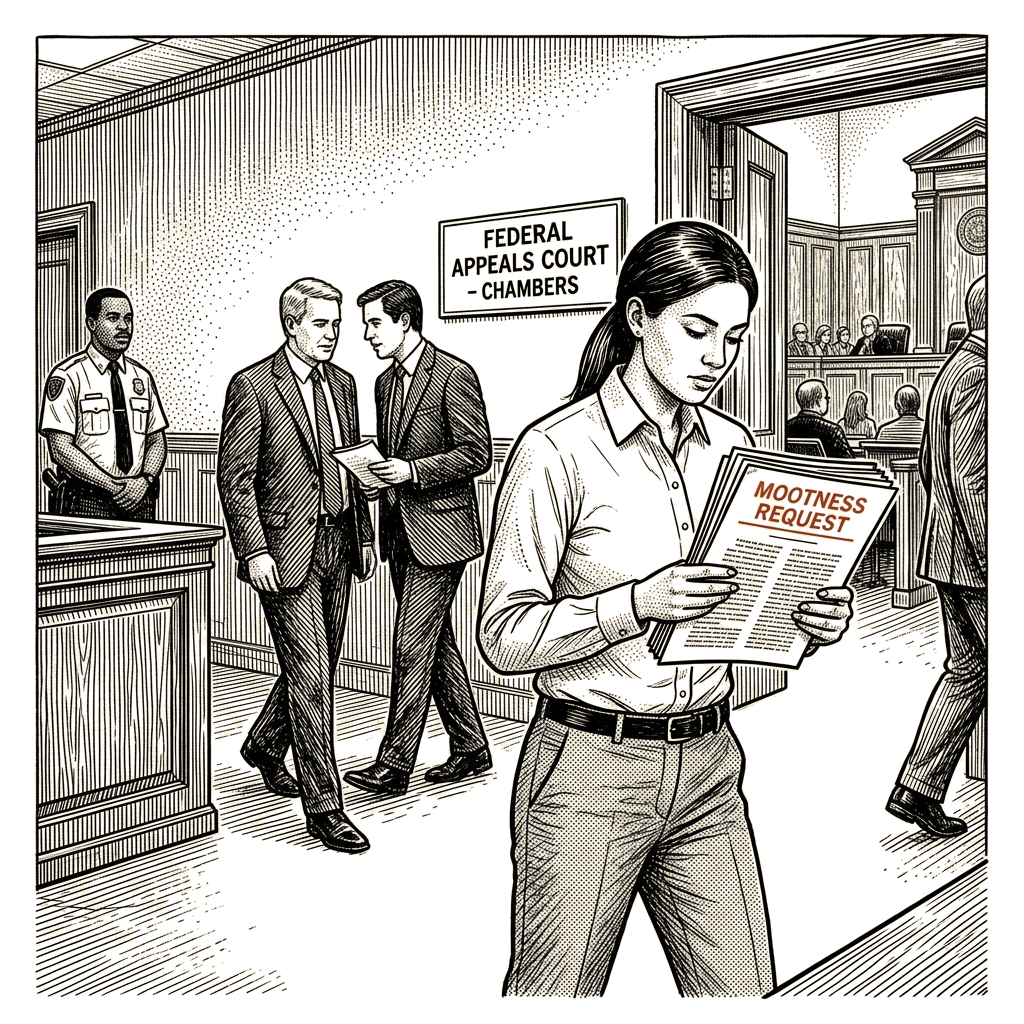
In a legal filing on Thursday, the Trump administration asked a federal appeals court to dismiss the lawsuit it filed before the 2026 midterm elections. Filed at Donald Trump’s direction, the suit sought to block certification of the US Senate race in Alaska if Democrat Mary Peltola won. Two days after the race was decided, the administration asked the appeals court to declare the case moot.
The administration said a Peltola win should not be certified until an investigation could determine whether voters were confused. The Guardian said the administration never explained how such an investigation could take place given the secrecy of the ballot.
Same-name candidate and campaign reporting
The legal challenge centered on the presence of a second candidate with the same name as the incumbent, Republican senator Dan Sullivan. The Alaska Supreme Court had already ruled that the second Daniel Sullivan’s candidacy was legal and that the candidate could appear on the ballot.
Peltola won with 50.13% of the vote, giving her more than the combined vote totals of all other candidates, including Republican senator Dan Sullivan and the second Daniel Sullivan.
The Guardian described the second Daniel Sullivan as a candidate reportedly recruited by Democrats to enter the race and siphon votes away from the sitting senator. The New York Times reported that Peltola’s staffers were involved in a scheme to recruit the “decoy” Dan Sullivan. The Guardian said Peltola faced significant controversy on the campaign trail after the New York Times report.
Peltola denied any involvement in encouraging the second Sullivan’s run.
Vote count and a separate House contest
The legal filing came a day after Alaska concluded its vote count. The state used ranked-choice tabulation to decide races in which no candidate received more than 50% of the votes cast, including the election for the state’s sole representative in Congress.
In that separate House contest, The Guardian reported that Eric Hafner was apparently included on the ballot in an attempt to confuse voters. Hafner was allowed to contest the race as a Democrat over the objections of the state’s Democratic Party, despite having no connection to Alaska and being incarcerated in a federal prison in New York. He received 22,715 votes.
The Guardian reported that if all of Hafner’s ballots had been cast for Hill, who was backed by the state’s Democratic Party, Hill would have defeated Begich.
Native American women headed to the Senate
Peltola, who is Yup’ik, will join Minnesota senator-elect Peggy Flanagan, a member of the White Earth band of Ojibwe, as the first two Native American women to serve in the US Senate.