TotalEnergies CEO says disruption creates opportunities
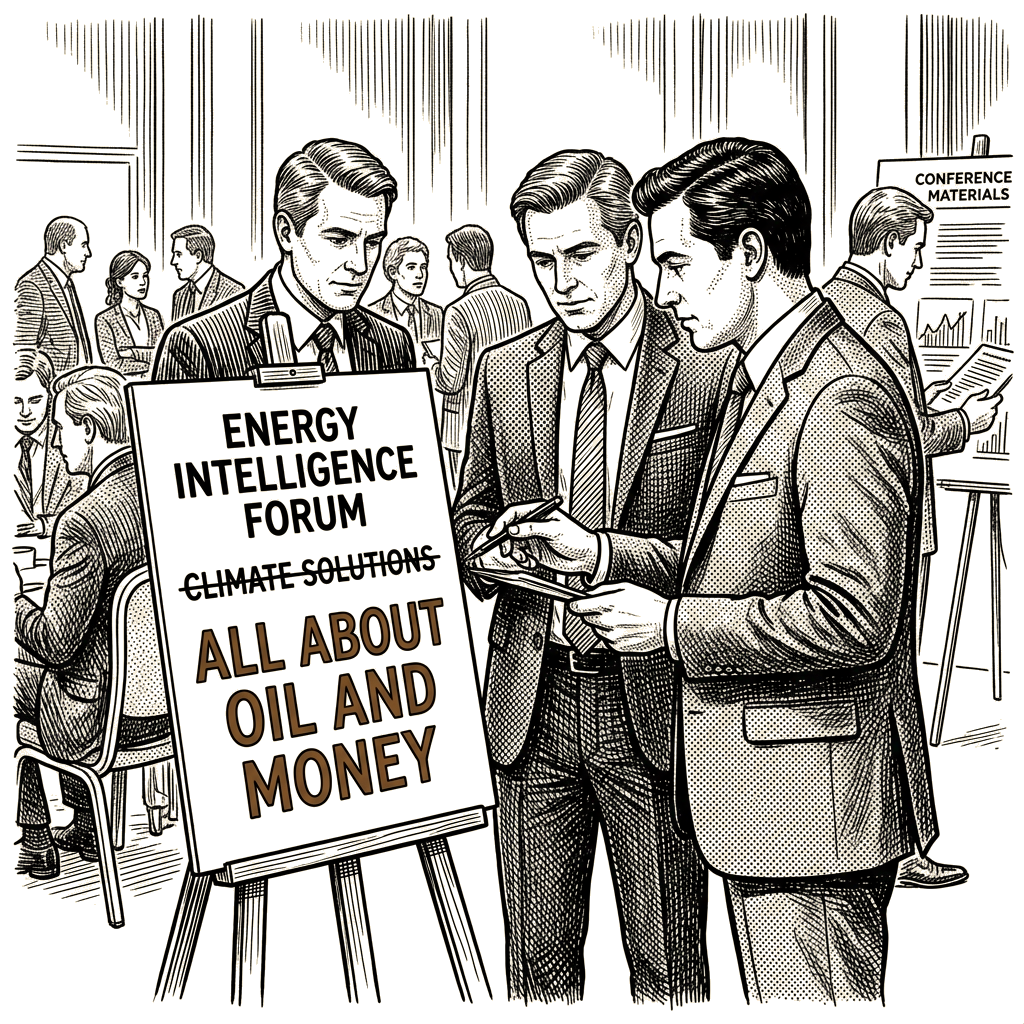
LONDON — The annual Energy Intelligence Forum in London — rebranded in 2020 from the Oil & Money conference after climate protesters drew attention to it, with a new mission to “find low-carbon solutions for the world’s energy challenges” — was all about oil and money this week. The conference agenda was light on climate change and low-carbon solutions, as conflicts in the Middle East and Europe reminded the world of its reliance on oil and gobs of money poured in. Energy security, by common consent, reigns supreme.
At this week’s event, executives traded forecasts and raised toasts behind what The Wall Street Journal described as a “discreet phalanx of security guards.” “The energy order has re-established itself,” ConocoPhillips Executive Chairman Ryan Lance said. “It’s not like sustainability is gone, but it’s not at the top, and it’s not the overall defining strategy around the world.”
Antoine Halff, a veteran energy analyst who is now a nonresident fellow at Columbia University’s Center on Global Energy Policy, was one of several attendees who told the WSJ the mood reminded them of the old Oil & Money days. It made him uneasy, even if he also had little patience for the anti-oil rhetoric of the protesters of years past. “There’s this vengeful satisfaction now that all the bother about emissions is receding in the rearview mirror, and now we’re talking about the real thing, which is the supply of the oil and gas that we need,” he said.
The industry has plenty to feel relieved about. Climate policies are under pressure, not just in the U.S. but in Europe and Canada too. Governments desperately shoring up supplies of oil and gas have less time to worry about the consequences of burning them. There is no decisive signal yet that this year’s energy crisis has driven a broad shift away from oil and gas. Wars and geopolitical chokepoints have been good for business. Even the protests have died down.
Still, Halff doubts that the current mood will last. “Climate is going to come back,” he said. The subject was largely forgotten as panelists spoke about how the energy shock will evolve, but Halff’s prediction is a pretty safe one. The latest projections suggest 2026 could end up about as hot as 2024, when global temperatures ran nearly 1.6 degrees Celsius above preindustrial levels — the hottest year on record, according to the WSJ. The El Niño weather pattern is forecast to make 2027 even hotter.
Halff said the problem with going quiet about global warming isn’t just the prospect of policies swinging back the other way. Inexorably rising temperatures could also disrupt the economy in ways the industry’s own operations are already feeling, from wildfires shutting down Canadian oil-sands producers to cold snaps hitting Texas natural-gas production. “We cannot talk about energy security without talking about climate security,” Halff said. “We need to keep both conversations together.”
TotalEnergies CEO Patrick Pouyanné told the Energy Intelligence Forum in London that the company’s integrated business model is an advantage in times of crisis. “I prefer the world of disruption to the peaceful world. It creates for us more opportunities,” Pouyanné said.
The conference came amid a recovery in Middle East crude flows. As of Oct. 3, the seven-day average for crude-oil cargoes clearing the Strait of Hormuz reached 10.3 million barrels a day, 76% of the prewar baseline, according to data provider Kpler. Including shipments via other routes, Middle East crude export volumes were nearly back to normal, though ships moving that oil carried little of the diesel the world needs most.