Husted sought Senate passage of the Ratepayer Protection Act
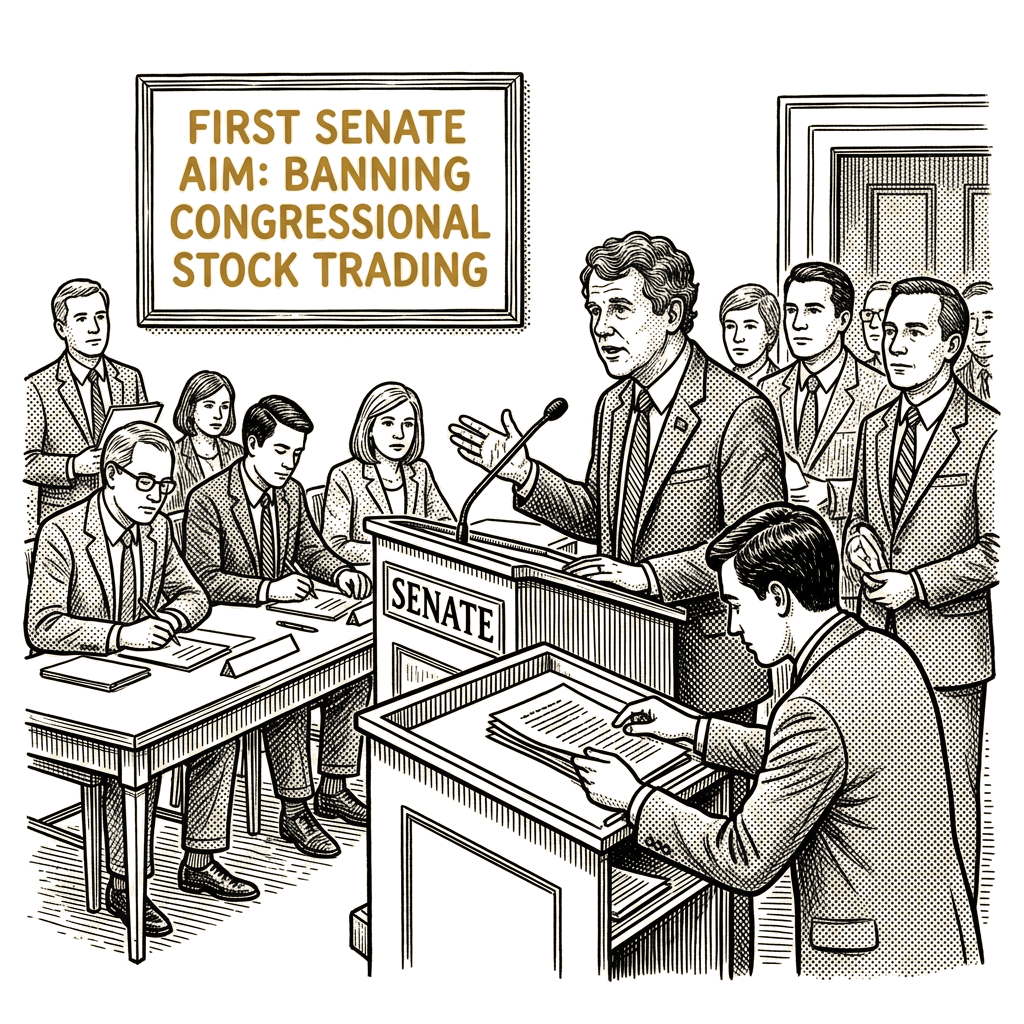
Brown promised the crowd that the first thing he would seek to do as a senator was ban members of Congress from trading stocks. “Starting today, Ohioans have a senator who puts working people first,” he pledged at the Ohio Democrats election watch party Tuesday evening.
At the watch party, Brown said, “My pledge to all Ohioans, whether you voted for me or you didn’t, is that I will always be on your side – always,” and added, “I do not work for the utility companies. I do not work for datacenters. I do not work for Wall Street. I work for you, I work for Ohio.”
He said, “This is your victory,” and added, “Corporations and billionaires tried to buy this election but it turns out there’s a whole lot more of us than them.” Brown made lowering the cost of living for the working class a cornerstone of his campaign. He criticized Trump’s war with Iran, the Trump administration’s tariffs and the construction of data centers.
Weeks before the election, Husted sought Senate passage of the Ratepayer Protection Act, which would have required utilities to consider rules to make datacenters pick up costs related to their impact on the electric grid. The measure had passed the House of Representatives with near-unanimous support, but Senate Democrats blocked it. Senate Minority Leader Chuck Schumer called the proposal “toothless,” a criticism Brown echoed.
The Guardian reported that data-center development had been particularly contentious in races across the country. The outlet said the industry had grown significantly as artificial intelligence expanded, but had also driven up consumers’ utility bills and harmed communities. Many Democrats alleged that Republican opponents were in the pocket of the industry.
Husted welcomed data-center developments while serving as Ohio’s lieutenant governor, and Brown called him “the face of datacenters” on the campaign trail. The Guardian reported that Husted adhered closely to Trump’s policies during his two years in the Senate and rarely broke with the president, even as Trump’s approval ratings fell amid voter dissatisfaction with the war with Iran, rising prices and Trump’s aggressive immigration policies.
Brown’s return followed his bid to reclaim the seat he held for 18 years before he was ousted in 2024. The special election determined who would serve the final two years of the term JD Vance won in 2022. Ohio’s Republican governor appointed Husted, then the state’s lieutenant governor, to the Senate in 2025 after Vance became vice president. Brown must decide whether to seek reelection when the term ends after 2028.
The victory brought Democrats closer to regaining control of the Senate. The Guardian said Democrats needed to win the seats they currently hold in Georgia, New Hampshire and Minnesota, along with at least four other seats, to regain a majority in the upper chamber. The outlet described Brown as a populist Democrat, characterized his victory as a significant defeat for Republicans and called the Ohio contest one of the marquee races of the 2026 midterms. The Guardian described the race as a key test of whether Democrats could regain support among working-class and rural voters who had moved away from the party in recent years.
In his concession speech, Husted said he remained optimistic about the future of Ohio and the United States. “America is a great nation. You should love it, and you should fight for our founding ideals that our rights belong fundamentally to us, not to government,” Husted said. “And it’s on all of us to make this country a better place.”
Fabiola Cineas contributed reporting.