Green says ending the Senate filibuster is required for Democratic priorities
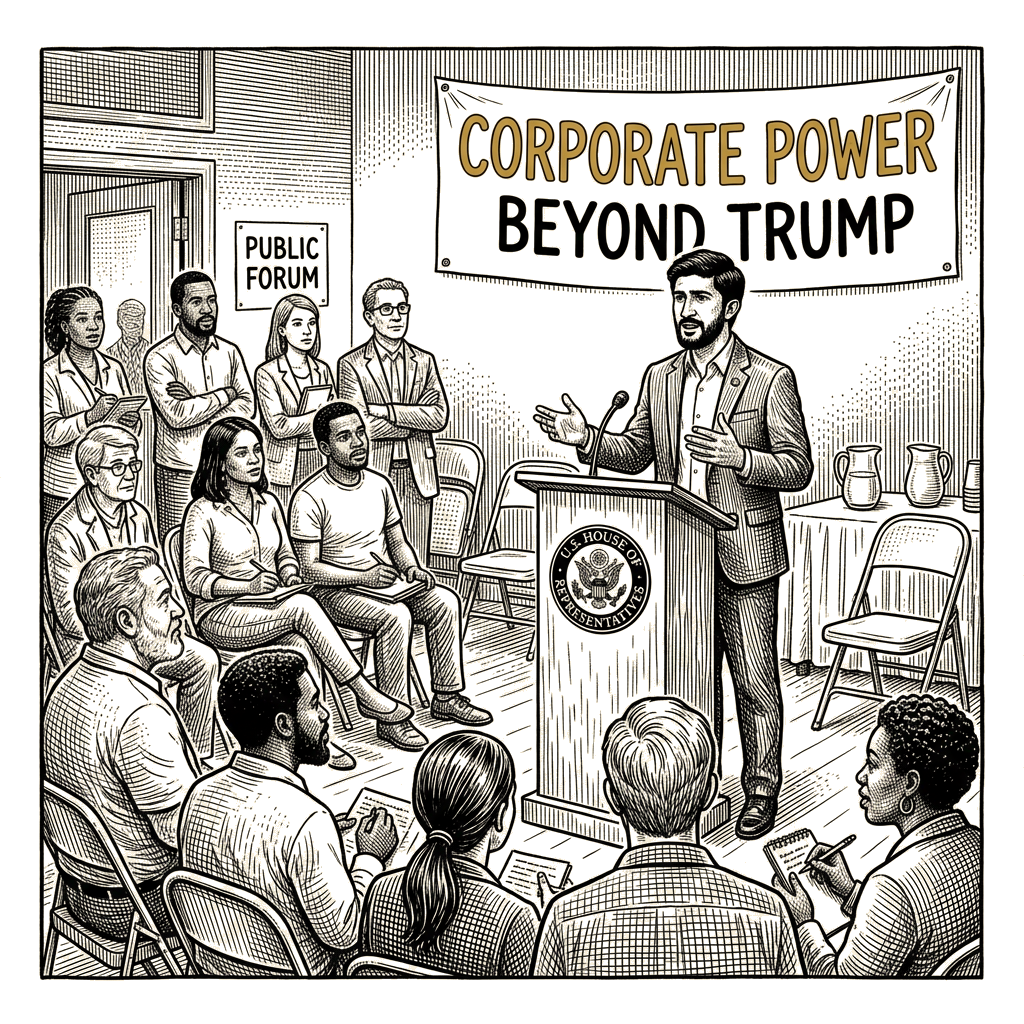
In a memo to fellow members of the Congressional Progressive Caucus, Rep. Greg Casar, D-Texas, said Democrats also need to target what he called “powerful forces outside of government.”
Casar’s examples included corporations using Americans’ private data to adjust their pricing based on a consumer’s personal data and AI companies that he said are putting jobs and lives at risk. “By focusing not just on the Trump administration but also on big corporations and billionaires, we will show the American people we are not just anti-Trump but also pro-worker and pro-consumer,” Casar said.
Adam Green, co-founder of the Progressive Change Campaign Committee, said Democratic leader Chuck Schumer cannot be content to let bills die in the Senate because of the 60-vote threshold. The Democratic-aligned group backs progressive candidates and policies. “It will require the Democrats to get rid of the filibuster,” Green said. “There’s no doubt about it.”
Green said Republicans’ top priorities — tax cuts and Supreme Court justices — can get through with simple majorities, while the Democratic Party’s top priorities require 60 votes to overcome a filibuster. He framed the procedural fight as a question of public trust: “The only question is will the American public trust Democrats enough to keep giving us more power or will this week’s gains whittle away because we do nothing?” Green said. “That’s why the filibuster is a threshold question.”
Progressive groups called the agenda outlined by Hakeem Jeffries a good early start but said they have much greater expectations for Democrats this Congress. Green said: “It’s perfectly fine if the Senate and the House are unified and Donald Trump is standing in the way because that sets up another tidal wave election in 2028.”
Democratic leader Chuck Schumer of New York, in an interview with The Associated Press this week, would not say whether he would try to eliminate the filibuster. “The focus has got to be on getting things done,” Schumer said. “That’s all I am saying.” He separately said Democrats will push their agenda with or without President Donald Trump’s help. In an interview with The New York Times’ podcast “The Daily,” Schumer said: “If he vetoes it, it will show the divisions. As much as we didn’t want to shut down, when we shut down the government for a month over healthcare, people knew we were on our side.”
Senate Majority Leader John Thune, R-S.D., said going into the election that a Democratic majority in the next Congress would amount to “two years of paralysis.” “I don’t think that’s good for anybody,” Thune said. A potential presidential veto also looms, and on election night Trump posted a photo on his social media site of a red hat with a simple message: “VETO.”
Rep. Hakeem Jeffries of New York, the Democratic leader in line to become the next House speaker, said, “We’re going to get out of the gate fast.” The new Congress is scheduled to be sworn in Jan. 3. Early votes in the House next year are expected to focus on boosting Medicaid and restoring an enhanced tax subsidy designed to lower the cost of Affordable Care Act health plans for millions of enrollees.
Following those early votes, Jeffries said five working groups are developing plans to put forward bills that would lower costs in areas such as housing, energy, groceries and caregiving. Democrats’ numbers will exceed 250 in the 435-member House, and the party seeks to translate its gains in the midterms into achievements that deliver on its promises to lower the cost of living. The Associated Press said passing the bills should not be a problem with the large House majority, while getting them signed into law most certainly could be.
Democrats are trying to reverse Medicaid changes expected to cut more than $900 billion from the program over a decade. The Republican-approved cuts helped offset some of the costs of Trump’s tax and spending cut bill, which was signed into law last year. The changes imposed new administrative requirements and added conditions for eligibility, including work requirements. Some of the most substantial changes have yet to take effect. Enrollment in Medicaid has dropped by about 5 million, or about 7%, since July 2025, when the bill was signed into law, according to KFF, a health policy research and news organization. Reversing the cuts would likely require Trump and congressional Republicans to abandon the changes they made to cut entitlement spending in their signature tax bill, a prospect the Associated Press described as unlikely.
The effort to extend enhanced tax subsidies for certain enrollees in Affordable Care Act plans has also been debated and voted on in the current Congress. The measure passed the House with some Republican support but stalled in the Senate. Schumer said he believes Democrats can gain some Republican votes on restoring the enhanced subsidies. Asked whether he was hearing from Republicans expressing a willingness to work with him, he replied: “They’re never so definitive but, yes, I am getting initial signs that way on certain issues, not on every issue.”
Democrats are also promising swift action on legislation to stop the war with Iran and reverse some of President Donald Trump’s trade tariffs. There have also been numerous war-powers votes regarding Iran — 14 in the Senate and six in the House.
Rep. Ted Lieu, D-Calif., said Democrats will at some point take up legislation dealing with artificial intelligence and data centers. Lieu is part of a group of lawmakers working on a document that will lay out some of the party’s priorities for Jeffries to consider. “House Republicans last year made a conscious decision to let the AI industry run wild, and that was a bad decision politically and a bad decision on policy,” Lieu said. “Two things will change next term. We will hold public hearings on AI. We will pass legislation, reasonable guardrails on AI, and specifically data centers.”
The prospects for getting any of the early priority bills over the finish line remain uncertain, the Associated Press said, but the votes in Congress will help frame the choices voters will face during a presidential election in 2028. Associated Press writer Mary Clare Jalonick contributed to this report.