GOP senators reverse a June vote after a closed-door lunch with Trump
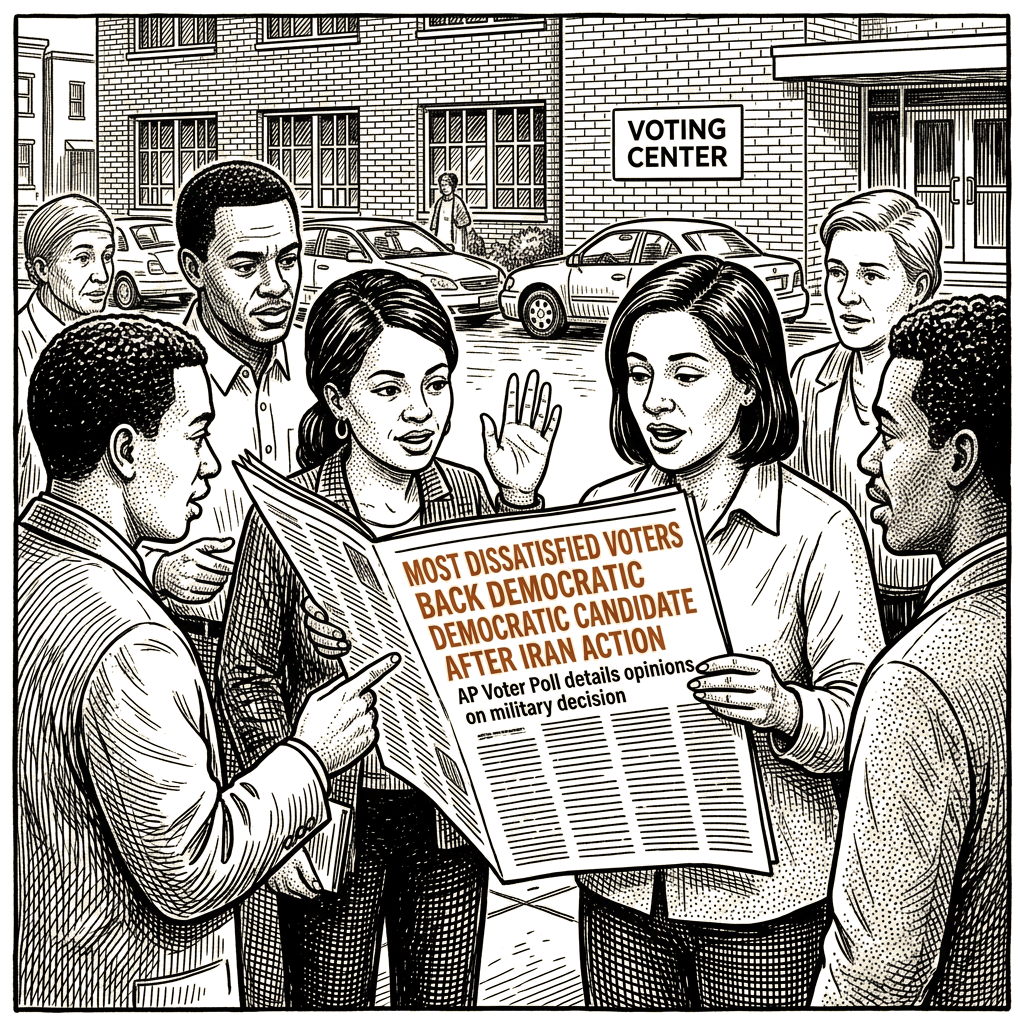
The AP Voter Poll found that about 6 in 10 of more than 100,000 voters surveyed in the United States said the United States made the “wrong decision” in taking military action against Iran. Most of those voters dissatisfied with the Iran war backed the Democratic candidate in their local U.S. House race. The AP described the conflict as an issue for many voters, and Democrats made the war a top issue in their campaigns.
Republican senators said the war powers votes were a distraction even as they acknowledged that high gas prices had hurt them politically. Republican Sen. Tim Sheehy of Montana said before the vote that the United States should “finish the job, protect this nation and protect our allies.”
Democratic Sen. Tim Kaine of Virginia, who has led the war powers efforts, said: “The American public is tired of it.” Kaine added: “The American public is also tired of escalating gasoline prices and diesel prices, and other things that have gone up and punished Americans since the war.”
Senate Republicans blocked the Democratic effort to end the war in Iran on Thursday in a 48-51 vote. It was the party’s first weighing in on the conflict since its losses in the midterm elections and followed the Republican-led House’s September approval of the same measure. Democrats had forced votes in both chambers repeatedly this year as they campaigned against the war.
The House first approved a war powers resolution in June and followed with another in July, both seeking to halt U.S. action in Iran. The Senate has held more than a dozen votes to end the war, most of which have failed. The AP said the results across the votes in both chambers were mixed.
Three Republican senators voted for the resolution: Susan Collins of Maine, Lisa Murkowski of Alaska and Rand Paul of Kentucky. Collins was defeated for reelection earlier this month. Democratic Sen. John Fetterman of Pennsylvania voted with the Republican majority to block the resolution, as did Republican Sen. Thom Tillis of North Carolina after siding with Democrats on previous votes.
The Senate approved a war powers resolution to end the conflict in June, but GOP senators quickly reversed course the next day after a closed-door lunch with Donald Trump.
The resolution rejected Thursday was mostly symbolic and would not have gone to the president for signature. The AP said passage was meant to stand as “a powerful, if symbolic, statement from Congress and a rebuke of the administration’s military actions.” The 48-51 outcome did not stop the administration’s military actions in Iran.
The Constitution gives Congress the authority to declare war, but it also gives the president authority as commander in chief to engage in some military actions. Created in the aftermath of the Vietnam conflict, the War Powers Act sought to put a more specific time limit on the president’s power and requires congressional approval for sustained military actions after 60 or 90 days.