Albrecht calls proposal a tactic; Neal cites family and national security risks
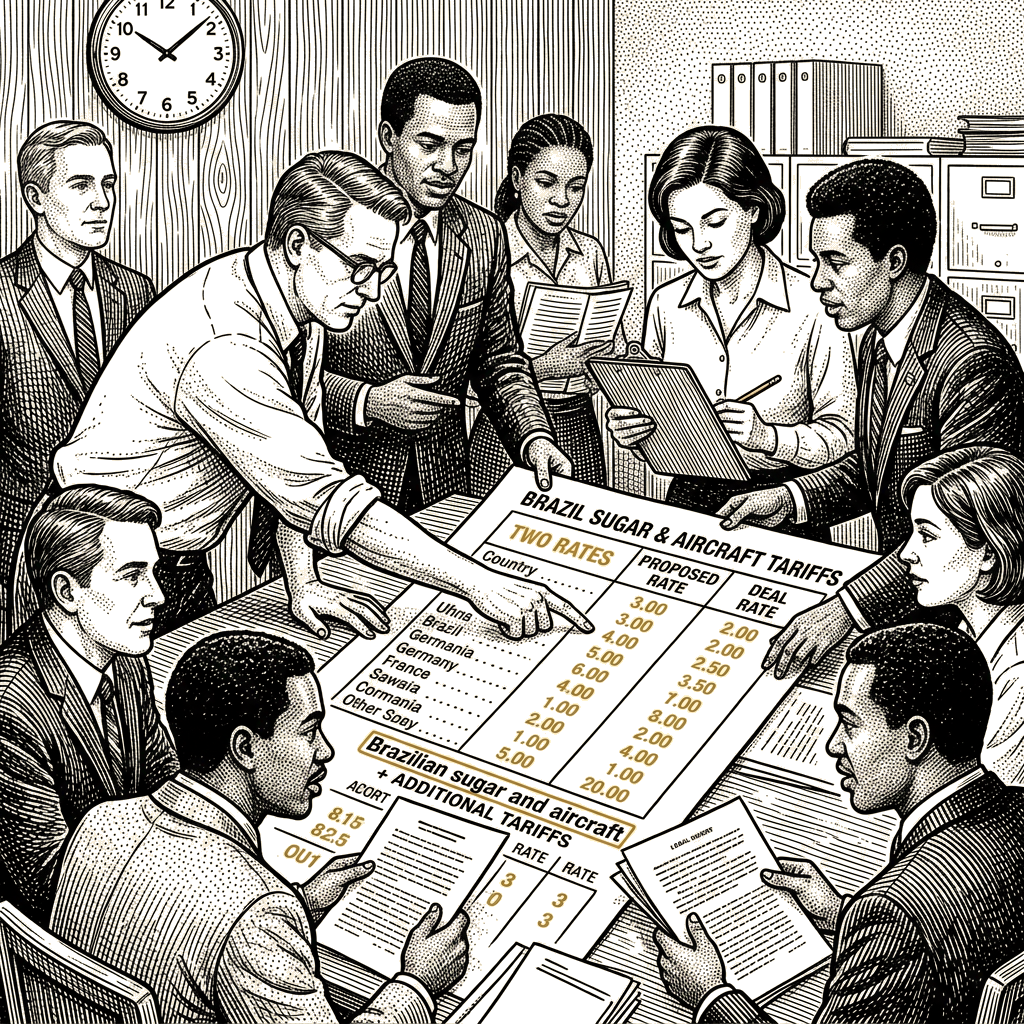
The White House’s proposal lists two possible rates for each covered country: a proposed rate and a separate “deal rate.” Its additional tariffs on Brazilian sugar and aircraft sit outside that two-rate structure. Rates could change in part as discussions continue, leaving the country-by-country schedule unsettled.
A lawsuit challenging the administration’s earlier sweeping Section 301 tariffs is already underway. Its key argument is that those tariffs extend much more broadly than Section 301 allows. NPR White House correspondent Danielle Kurtzleben said the new proposal could face similar legal challenges, though she said the outcome was uncertain.
China illustrates the range. Its “deal rate” is 20%, while its proposed rate could reach 40%, depending in part on how ongoing discussions proceed. Rates for Vietnam could go as high as 35%, and goods from other countries could face 20% or 25%.
The White House outlined the proposal on Nov. 25 for goods from 14 of the U.S.’s biggest trading partners, including Japan, the EU, China, South Korea and Cambodia. The administration also proposed additional tariffs on sugar and aircraft from Brazil, adding to tariffs the United States had already imposed. U.S. Trade Ambassador Jamieson Greer said Nov. 25 that the proposal could take effect within a couple of months. The plan is not yet in effect.
The Liberty and Justice Center filed the earlier lawsuit against those sweeping tariffs. Sara Albrecht, chairman and CEO of the nonpartisan Liberty and Justice Center, said the new tariffs were not being used the way Section 301 tariffs were supposed to be. Albrecht said: “It is a negotiating tactic. That is not what tariffs, in a broad sense, are supposed to be. Like, you can do that on a country-by-country basis if they’re addressing a specific problem, not just general, hey, we want better trade deals.”
The Supreme Court struck down some of Trump’s earlier tariffs, and Kurtzleben said Albrecht and other trade experts believe the White House is proposing the new tariffs as a way to replace the sweeping tariffs the court struck down earlier this year.
The administration says it is using Section 301 for the new proposal, a law meant to counter other countries’ unfair trade practices. The White House alleges that covered countries have what it calls “structural excess capacity” in various manufactured goods. The administration defines the condition as policies that cause a good to be overproduced and distort the global market for that good. Labor practices, subsidies and tax breaks can be among those policies, the administration said. NPR reported that it was not clear the tariffs would achieve the administration’s stated aim.
The proposal has drawn pushback from congressional Democrats and some free trade advocates. Richard Neal, the top House Democrat on the Ways and Means Committee, said in a statement: “Trump is putting everything from family budgets to our national security at risk to keep his tariff scheme in place.”
Host A Martínez said the tariffs were unpopular in the midterm elections. Kurtzleben said she had heard pushback from congressional Democrats and that congressional Republicans had been quieter about the proposal. The proposal came a few weeks after the party lost dozens of seats in the election, an outcome widely attributed in large part to high prices. Kurtzleben said tariffs do cause higher prices.