Ottawa source says WSJ report overstates EU membership scope
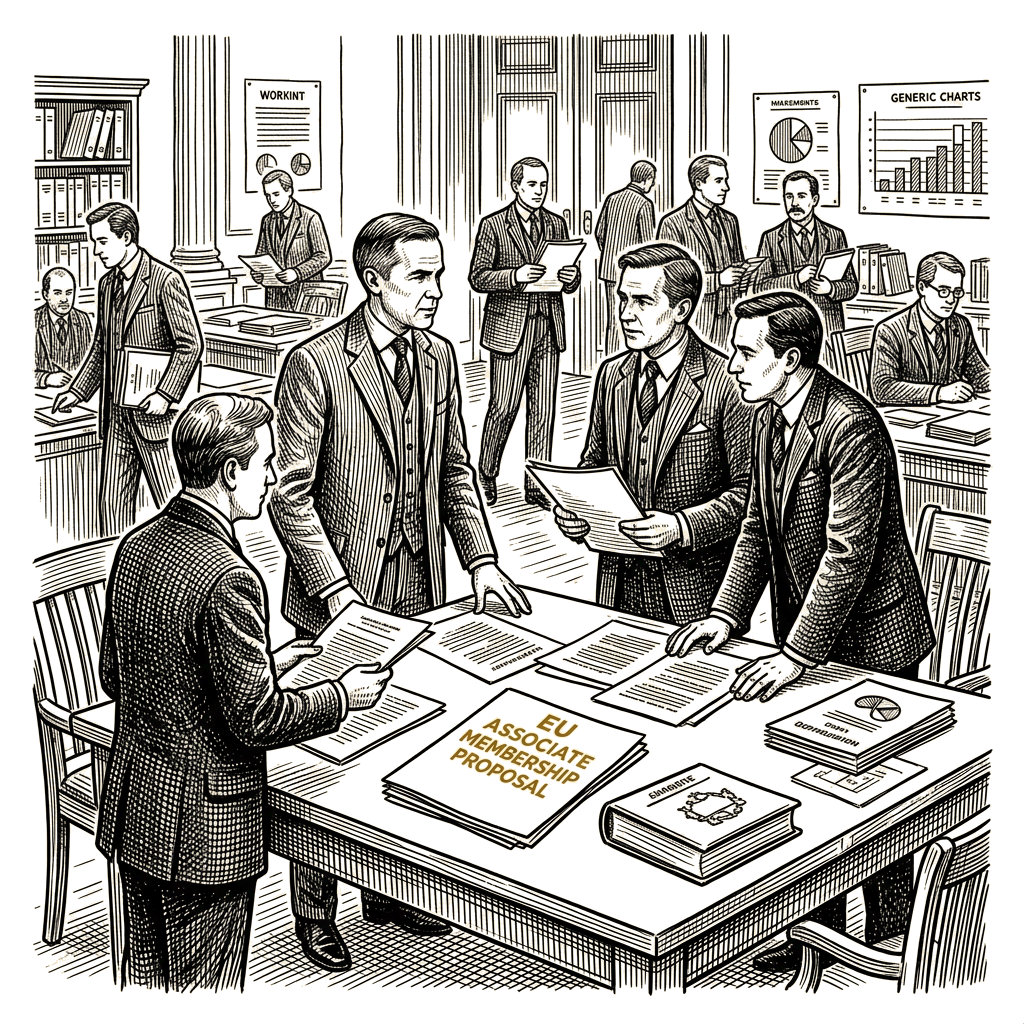
The Wall Street Journal, in a Sunday report citing anonymous officials from both Canada and the EU, said the two sides are sorting out what “associate” membership in the EU would look like — an option the Journal described as unprecedented. The Journal reported the aim would be a historic reorientation of Canadian trade away from the United States.
The European Commission did not respond to a request for comment on the Journal’s reporting. Separately, Canadian broadcaster CTV cited an unnamed government source who said Canada is not seeking EU membership in any capacity and that the WSJ report “overstates” what is actually happening. That source said Ottawa is instead seeking to build on the strategic partnership established at a joint Canadian-EU summit in June, when the two sides agreed to cooperate in the ReArm Europe defense project.
Carney is preparing to address the European Parliament in Strasbourg on Thursday, where he is expected to lay out how he sees the future of Canada-EU relations. The address comes at a time when Trump is engaged in trade wars with the United States’ closest allies, including Canada, and has questioned his northern neighbor’s sovereignty by suggesting it become the “51st state.”
The Journal reported that a potential deal could include fertilizer exported to Europe via the Arctic and the construction of new natural gas pipelines that could ease European dependence on Russian fossil fuels. The United States now consumes about 72% of Canadian exports, according to the Journal.
The conflicting signals — the WSJ report on the one hand, the unnamed Canadian government source’s pushback on the other — leave the shape and scope of any arrangement uncertain. The European Commission’s silence leaves the EU side of the talks similarly opaque. Neither the Commission nor the Canadian government has publicly confirmed negotiations over an associate membership framework.