Carney meets UK PM Andy Burnham at Everton ahead of Strasbourg address
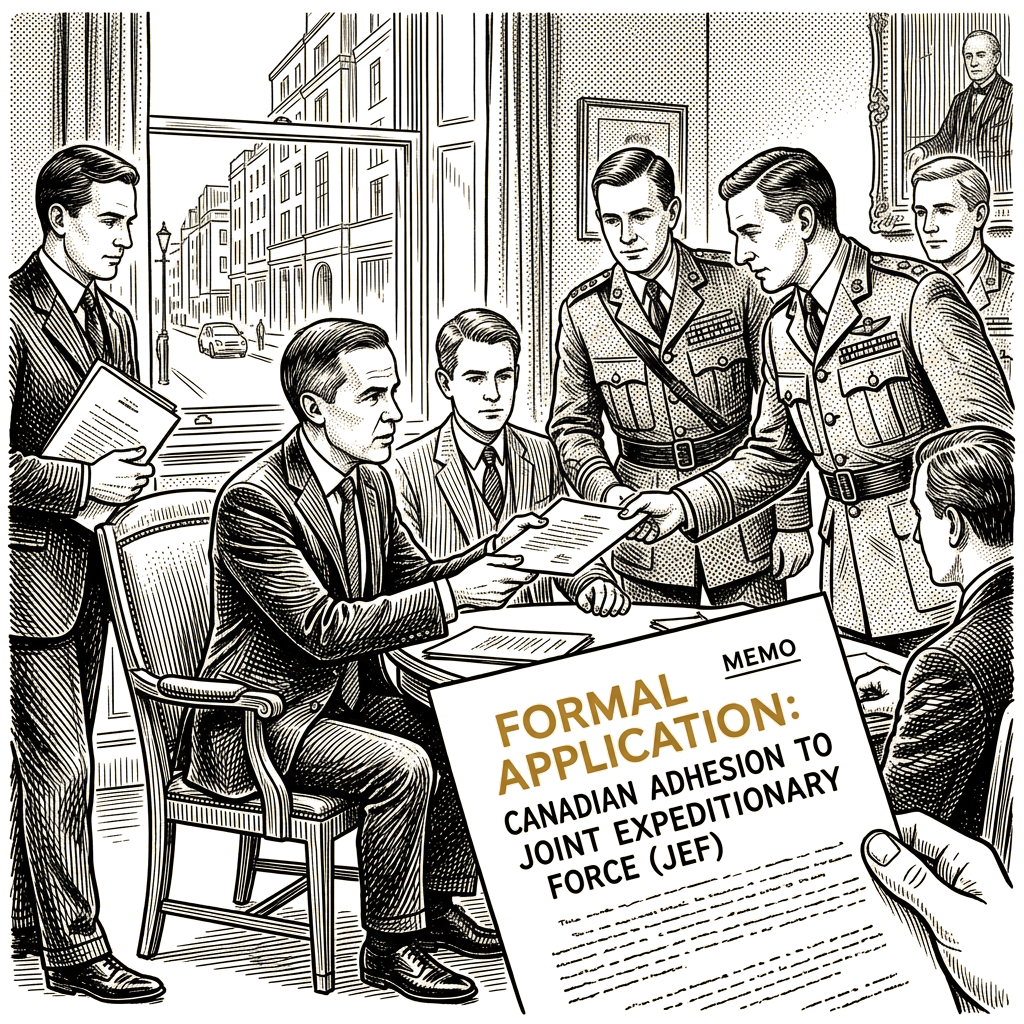
Canadian Prime Minister Mark Carney’s office announced on Wednesday that Canada had formally applied to join the British-led Joint Expeditionary Force, a rapid-response military partnership of 10 North Atlantic NATO member states including Denmark, the Netherlands, Norway and Sweden. The application signalled Canada’s effort to diversify its defence relationships away from the United States.
Earlier on Wednesday, Carney and British prime minister Andy Burnham held a bilateral meeting at the grounds of Everton Football Club, where both leaders — Everton supporters — attended the team’s Premier League match against Wolverhampton Wanderers. The two discussed deepening defence cooperation and the opportunities and challenges presented by artificial intelligence, according to a statement from Downing Street. Both prime ministers emphasised the importance of building close ties with European partners, particularly on trade and defence.
The 27-member EU has never had an associate membership category. On Wednesday, however, European Commission president Ursula von der Leyen invited Canada to become the bloc’s first “associate member,” pitching closer cooperation on tech, defence and energy to Carney. In her remarks to the European parliament in Strasbourg, she framed the deepening of EU-Canada ties as a response to a “fracture in the international rules-based system” and said Brussels and Ottawa needed to pull closer together.
President Donald Trump responded by threatening the European Union with “very serious tariffs.” Speaking to reporters, Trump called the proposal “laughable” and characterised it as a “hostile act.” He said he could “put very serious tariffs or stop trading with Europe,” adding: “If it’s a good intention, that’s fine. If it’s a bad intention, we’ll put very heavy tariffs on Europe.”
Von der Leyen said it was time to move from cooperation based on trade to a broader “alliance for the future” and to “bring the relationship with Canada to the highest level possible.” She set out a portfolio of cooperation: “We will work on intelligent manufacturing. We will create a tech alliance. We will integrate defence industrial bases. We will make the Arctic a flagship joint project.” Energy, critical minerals, batteries, artificial intelligence, cyber and economic security were also listed as fields for joint work. “This is a partnership not against anyone else, but for our common strength,” she said.
The EU has close ties with Norway, Iceland and Switzerland, allowing deep economic integration with those countries, which follow many EU rules. What associate membership would mean for Canada’s relationship with the EU single market, among other questions, remained to be seen.
Carney was due to address the European parliament on Thursday. Canada and the EU already have a trade deal and numerous bilateral agreements, but have been moving closer since Trump returned to the White House and raised tariffs on both old allies, while repeatedly talking about Canada becoming the 51st US state and publicly criticising the bloc.