Scientists say a supercharged El Niño is intensifying heavy Southern rains
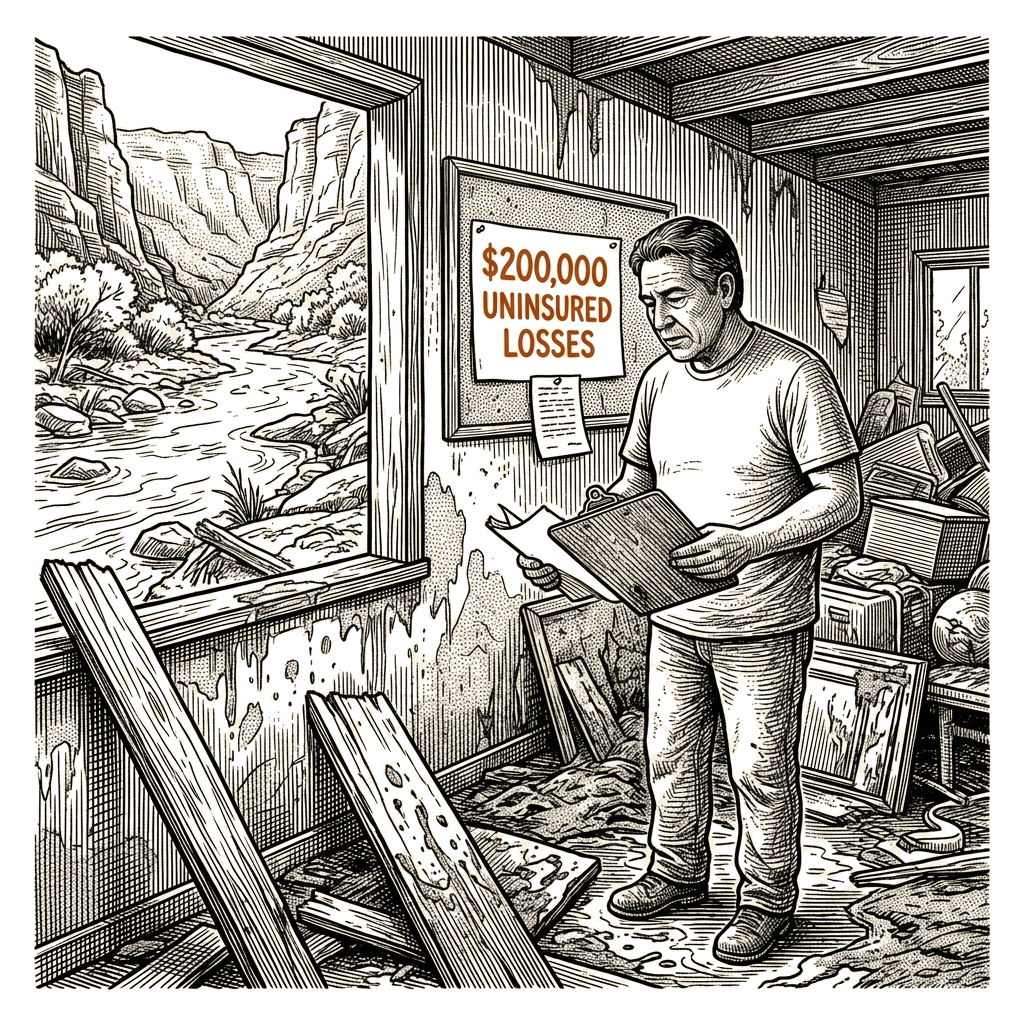
Matthew Martinez has spent nearly all of his 60 years in a canyon on the Navajo River in far southwestern Colorado, about 25 miles south of Pagosa Springs, and had never seen severe flooding. Then, twice over the last two weeks, the river surged through his house and outbuildings. He is missing a horse, his barn is damaged and the river swallowed a corral. His house is strewn with mud, and his tools washed downstream.
“We’re in trouble, all of us are. Not just me, everybody,” Martinez said through tears during his first visit back on Wednesday. Several families that go back 100 years in the same canyon suffered similar damage, he said. “Nobody expected this.”
The Navajo, San Juan and Animas rivers were just a few of the streams to surge beyond their banks as round after round of storms dumped heavy rain across the Four Corners region of Arizona, Colorado, New Mexico and Utah. Scientists say a supercharged El Niño event — when warm water in the Pacific disrupts weather patterns — is making heavy rains more likely and more intense across the Southern U.S.
The flooding has struck Flagstaff, Arizona; Pagosa Springs and Durango in southwestern Colorado; Farmington in northwestern New Mexico; tiny Bluff in southeastern Utah; parts of the vast Navajo Nation; and Sedona and Tucson in Arizona. With a break in the weather at last, evacuees are returning home.
For Martinez, who was out of town for knee surgery, getting back meant navigating a mucky mess in a four-wheel-drive vehicle and a lot of patience over beaten gravel roads. And he is finding his struggles may have just begun.
Martinez did not have flood insurance — he could not get it, he said, with his house so near the water. He estimates his losses at some $200,000, at least.
He and his fiancee first stayed with one of his sons, then in a hotel — both of which have since flooded. They are in an Airbnb now, but he worries they could end up homeless after his emergency voucher runs out in a few days.
“The government spends, you know, just millions and billions of money on overseas and everything. Right now we need that money on this side,” he said. “We need to get this, you know, all this put back together.”
A FEMA representative came to his property and took photographs after the first flood, Martinez said. The second flood hit three days later and was twice as bad, he said.
“I know we’re on some list right now,” Martinez said. “So we’ll listen every day and we’ll see what options we have and go from there.”
As he heals from the knee surgery, Martinez is considering whether it is worth asking family and friends for help with the cleanup. Hauling debris to the dump would cost $300 a load, he said — thousands of dollars in total that he does not readily have.
The flooding did help end months of drought in the Four Corners area. But the raging torrents washed away the rich topsoil on Martinez’s land, leaving just sand and rock, and he now wonders how he will feed his remaining animals without pasture next year.
“The normal might not ever be normal again,” Martinez said.