Odin Energetics builds modular factories to make drone explosives
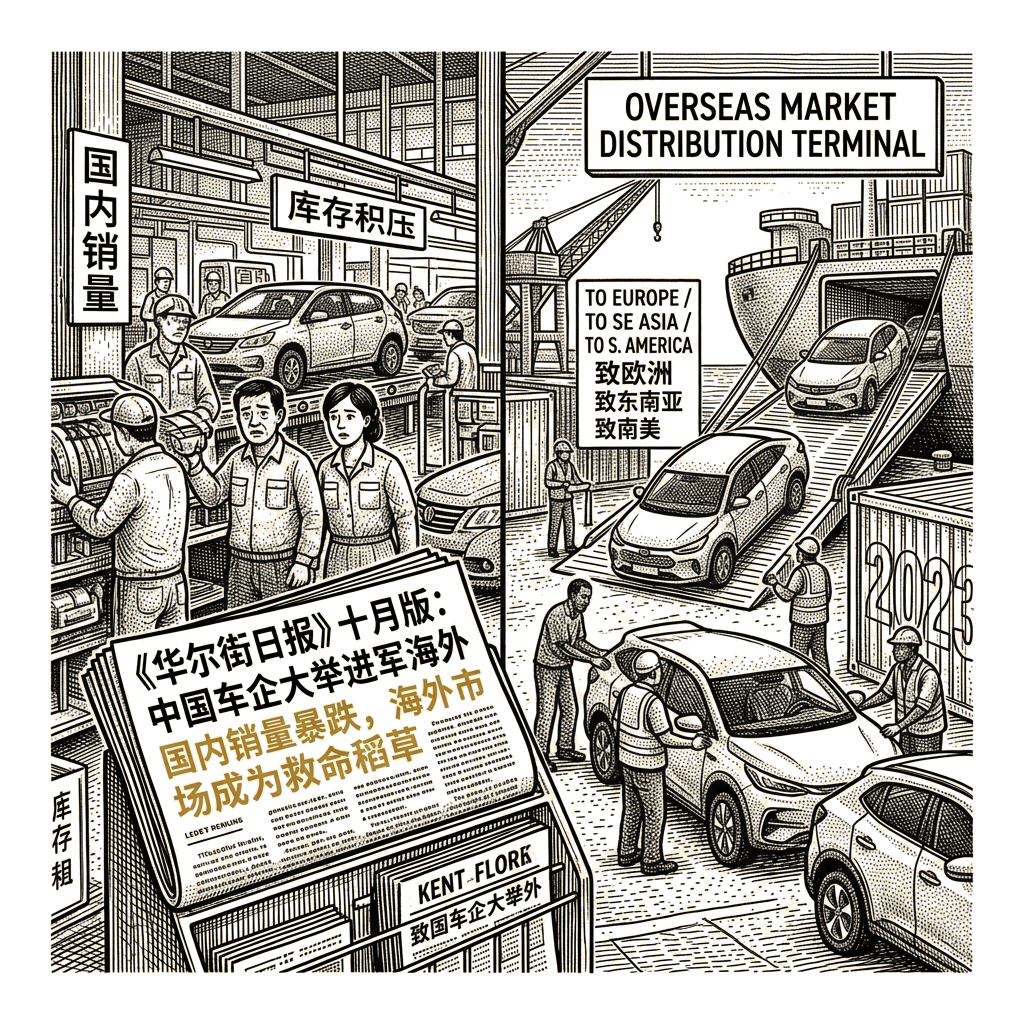
Chinese carmakers are piling into overseas markets as domestic sales plunge, according to The Wall Street Journal’s Logistics Report, published Oct. 29. Michael Dunne, founder of advisory firm Dunne Insights, described the shift: “You get an earthquake in China, you get a tsunami outside,” Dunne said.
The same edition leads with the Pentagon’s explosives problem, in reporting by the Journal’s Heather Somerville. The U.S. military plans to buy millions of drones in the coming years as it adapts to modern warfare, but a chronic shortage of explosives threatens the Pentagon’s agenda to replenish weapons stockpiles and arm troops with the unmanned systems that have come to define conflicts, Somerville reports. The country’s domestic supply has withered since World War II, and imports are increasingly hard to come by.
The Pentagon is looking to surge its energetics supply, but the pace is slow, according to the Journal — and that has created an opening for venture capital and startups such as Odin Energetics. The company is a joint venture between chemicals company Solugen and Kraken Kinetics, which builds the warheads, fusing and other parts required to strap a bomb to a drone. Odin does its production in modular factories that can be built in six months and set up wherever the weapons are needed — battlefields, military bases or test sites. The model is a response to another problem that has bedeviled the explosives industry, the report said: nobody wants a bomb factory in their backyard.
The report also details President Trump’s aluminum tariffs and their U.S. consequences, in reporting by Ryan Dezember. Trump exempted Canada from a 10% aluminum tariff during his first term; after he returned to the White House, he scrapped the exemption and raised the duty to 50%, Dezember reports. The tariff, imposed in the name of national defense, is intended to stimulate U.S. production. But the enormous power requirements for making aluminum have meant that Canada — where abundant hydropower has kept electricity prices from rising as sharply as in the U.S. — has supplied about 70% of U.S. aluminum imports in recent years, Dezember reports. Trading restrictions on Russian metal and the Iran War have contributed to pushing up aluminum prices in the U.S. to a record premium, punishing home buyers, data-center developers, automakers and grocery shoppers.
The roundup also tracks corporate results and plans. C.H. Robinson Worldwide’s global-forwarding revenue rose 46% year-over-year in the third quarter on higher prices for ocean and air transport, the Journal reported. FedEx posted profit of $290 million for the third quarter, with results including a $1.2 billion loss from the spinoff of FedEx Freight. Etsy sales rose in the third quarter after the number of active buyers increased for the first time in two years. Shoe maker Deckers Outdoor plans to keep selling items such as Hoka sneakers and Ugg shoes at full price even as shoppers look for more discounts. Old Dominion Freight Line reported a 13% year-over-year rise in revenue for the latest quarter, according to Trucking Dive.
The Federal Reserve held interest rates steady at its latest meeting, the Journal reported, and U.S. crude oil inventories fell for the fourth-consecutive week. GE Vernova agreed to acquire high-voltage grid equipment manufacturer Trench Group for $9 billion, and hedge fund Trian Fund Management offered to buy Wendy’s for around $1.4 billion, according to the Journal.
In trucking and technology, Kodiak AI is expected to deliver 75 self-driving trucks to truckload operator DTL Transport starting in 2028, according to TechCrunch. A stretch of California freeway temporarily closed after a Tesla Semi’s lithium battery caught fire, NBC Bay Area reported. Computer makers HP, Asus and Acer are shifting some production from Thailand and Vietnam back to China, according to Nikkei Asia.
Container-shipping developments round out the report. The global containership orderbook is on course to approach 16 million twenty-foot equivalent units before the end of the year, according to Alphaliner, as reported by TradeWinds. The crew of a containership off Bulgaria abandoned ship after three sea drones seriously damaged the vessel, Lloyd’s List reported. Blue-collar workers at A.P. Moeller-Maersk’s Willebroek site in Belgium joined an ongoing strike that started over changes to remote work at the company, according to ShippingWatch. New Zealand police seized 137 kilograms of cocaine with an estimated street value of nearly $23 million from a shipping container in Auckland, Xinhua reported.