Food manufacturers warn of 2027 price increases as diesel hits record
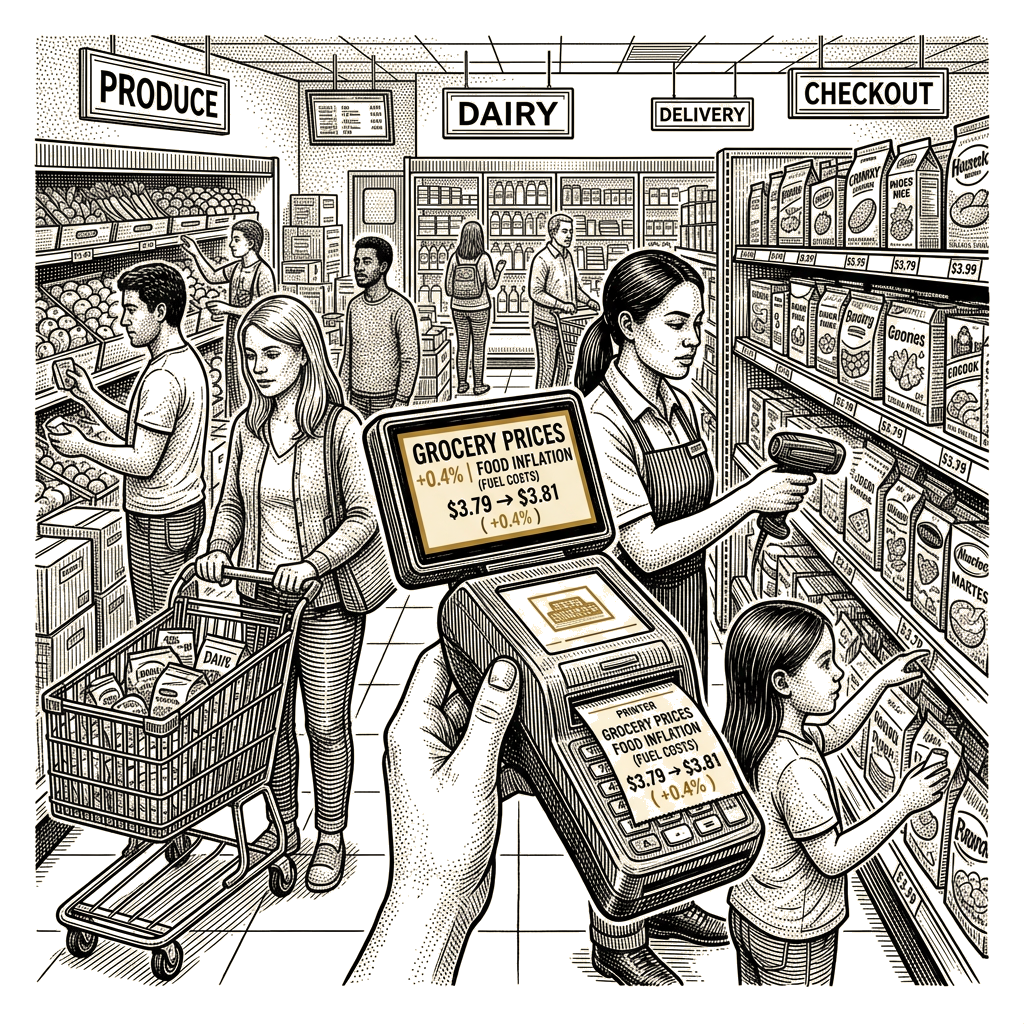
Americans are straining under high grocery prices, and the data released this week suggest the pressure is intensifying. U.S. grocery prices rose 0.4% in October from September, ending several months of relatively benign food inflation, the Labor Department said. Fresh food led the way: consumer prices for fresh vegetables jumped 2.2% in October, and fresh fruit and vegetables rose at an even greater rate than groceries overall. The cost of restaurant meals rose at the fastest pace since December 2025.
The sharpest hits landed on everyday dinner staples. Lettuce climbed 8% in October alone, butter rose 2%, cheese increased 1.3% and beef steaks rose 1.7%.
The pickup follows years of elevation. Grocery prices soared by more than 20% in the years after the Covid-19 pandemic and have continued to climb since, leaving households to absorb further increases even as economists caution that one month’s rise does not necessarily establish a trend.
Fuel is an increasingly visible driver. Retail diesel prices have risen more than 66% since the start of the war in Iran, hitting a record high of $6.53 in September, even as crude oil prices have dropped from recent peaks. The cost of transportation services is up 20% since the start of the year, according to the Labor Department, indicating that trucking and logistics carriers are passing elevated diesel bills down the line to wholesalers and processors. Wholesale food prices jumped 1.3% in October, the sharpest monthly increase in the producer-price index since February.
“The worst is yet to come,” said Scotiabank economist Olivier Gervais.
At the Hunts Point Produce Market in the Bronx, N.Y., which distributes fresh fruits and vegetables to thousands of grocery stores across the Northeast, wholesalers have run out of room to shoulder rising diesel costs. “We absorb what we can, but a lot of it gets passed to the consumer because there’s not a lot of margin,” said Stefanie Katzman, the fourth-generation chief executive of S. Katzman Produce.
Manufacturers are preparing similar moves. Kraft Heinz chief executive Steve Cahillane said last week that price increases across the company’s portfolio were coming in 2027. “The cost pressure is everywhere,” he said, adding that while “the consumer is in a fragile state, there’s clearly more inflation.”
Campbell’s chief financial officer, Todd Cunfer, told investors in September that the company raised prices across 60% of its product portfolio to manage rising costs. Campbell’s had previously shut down two snack plants and cut more than 550 salaried jobs, roughly 13% of its corporate workforce. With manufacturers exhausting internal cuts and long-term contracts rolling over, the ability of retailers to shield customers from higher prices is wearing thin.
Distributors say imports are already costlier. A spokesperson for fresh fruit and vegetable distributor Dole said expensive fuel is inflating shipping, fertilizer and packaging costs, while weather conditions caused by a powerful El Niño have compounded the strain. “Bananas cannot stay and cannot be sustainable at these prices, at this level,” Del Monte chief executive Mohammad Abu-Ghazaleh said on a recent earnings call.
Food-supply chains move slowly, which delays the impact on shoppers. Gervais said sellers will eat higher costs for as long as possible before raising consumer prices: while freight costs react immediately, the peak price impact on grocery shelves takes 12 to 18 months to fully filter through production and distribution markets. “It’s too early to say if pass-through has started,” Gervais said.
Sharat Ganapati, an economist at Georgetown University, said grocery chains often negotiate prices months in advance and retailers will absorb costs as long as possible before repricing. “That will attenuate the immediate effect,” he said, “but the pressure builds up.”
Early cracks are appearing in categories with short supply chains, where perishables cannot wait out freight swings in cold storage — fresh vegetables rose 2.2% in October.
Farm-level costs threaten to compound the squeeze over the next year. The closure of the Strait of Hormuz pushed up fertilizer prices because Qatar is a key producer, and prices remain elevated just as farmers are starting to buy for spring planting. “This is something that could drive food prices over the next year,” said Bernhard Dalheimer, an agricultural economist at Purdue University.
Food prices also carry unusual political weight because groceries are a necessity and most Americans shop weekly. “Everybody feels them, even if they’re small increases,” Dalheimer said. In an ABC News poll of House voters, 59% of respondents said they were unhappy about grocery prices, and high food costs contributed to the sense of voter frustration that swept Democrats to victory in the midterm elections, The Wall Street Journal reported.
The strain is already visible in household budgets. Lilia Vailikit, a 71-year-old retired nurse in South Florida, said she struggles to make ends meet on her monthly Social Security payments while gas prices and her condo maintenance costs also rise; belt-tightening means she can no longer make trips to her native Philippines every year or two. “Every time I go to the store, it’s more expensive,” she said. “Groceries—Jesus Christ.”